
Millions of men experience bothersome urinary symptoms due to an enlarged prostate gland, also known as Benign Prostatic Hyperplasia (BPH). These symptoms can significantly impact their quality of life.
Dr. Khyzar Hayat Gondal offers a minimally invasive solution called the Rezum procedure. This innovative treatment provides long-lasting relief from BPH without the need for traditional surgery.
So, how does Rezum work? The procedure uses water vapor (steam) generated by radiofrequency energy to target specific areas of the enlarged prostate tissue. This targeted heating shrinks and eventually removes excess tissue, ultimately restoring normal urine flow.
Rezum stands out for its convenience. It’s an outpatient procedure performed in Dr. Gondal’s clinic, allowing patients a quick recovery and return to their daily activities.
Perhaps the most significant benefit is the long-term symptom relief. Patients typically experience improvement over time and may not require daily medications for BPH management.
Don’t let BPH limit your life. Schedule a consultation with Dr. Khyzar Hayat Gondal to learn more about the revolutionary Rezum treatment and regain control of your urinary health.
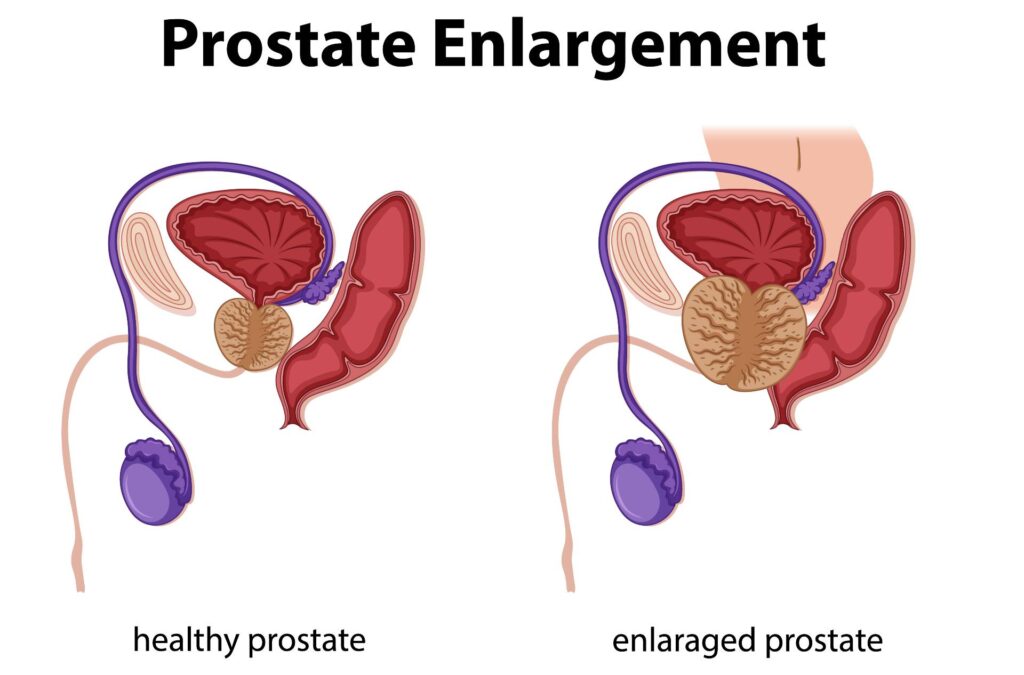
The prostate gland is a male reproductive organ located near the bladder. It plays a role in semen production.
As men age, the prostate gland can become enlarged, a condition known as Benign Prostatic Hyperplasia (BPH). While the exact cause remains under investigation, factors like age and family history likely contribute. This enlargement can sometimes cause urinary problems.
Symptoms of BPH can vary in severity and might include:
Difficulty urinating (weak stream, frequent urination, especially at night)
Discomfort or burning during urination
Incomplete bladder emptying (retention)
Blood in the urine
If you experience any of these symptoms, consulting a doctor is crucial for diagnosis and discussing treatment options.
Treatment for BPH depends on the severity and may involve:
Medications: Certain medications can help shrink the prostate or manage symptoms.
Surgery: In cases where medications are ineffective, surgery might be considered.
Regular doctor visits are essential for monitoring BPH progression and ensuring the chosen treatment remains effective.

Dr. Khizar Hayat Gondal, Urologist in Lahore.


