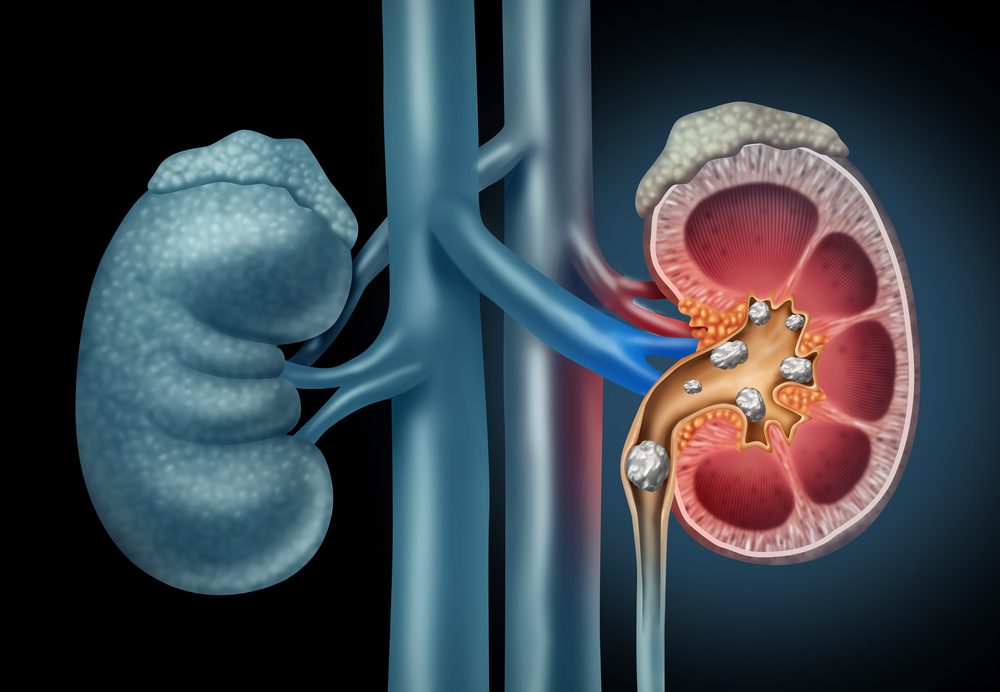
Kidney Stone Treatment

Kidney Stones

Small kidney stones may pass naturally through your urinary tract. If you pass the stone, your doctor might recommend collecting it for analysis. This helps identify the type of stone and potentially prevent future occurrences by adjusting your diet or medications.

Drinking plenty of fluids can help move the stone along. Your doctor might also prescribe pain medication for discomfort.

Larger stones, blockage of the urinary tract, or severe pain require urgent medical attention. In cases with vomiting and dehydration, hospitalization and intravenous (IV) fluids might be necessary.

A urologist can use various techniques to remove the kidney stone or break it into smaller pieces:

Shock wave lithotripsy: This outpatient procedure uses shock waves to break the stone into smaller fragments that can then pass through your urinary tract. You’ll likely receive anesthesia during the procedure.

Cystoscopy and ureteroscopy: During a cystoscopy, a thin, lighted instrument called a cystoscope is inserted through the urethra to examine the bladder and urethra for stones. If the stone is located further up, a ureteroscopy might be used. This procedure utilizes a longer, thinner instrument called a ureteroscope to see the ureters and kidneys. Once located, the doctor can remove the stone or break it into smaller pieces. Both procedures are performed in the hospital with anesthesia, but you can typically go home the same day.

Percutaneous nephrolithotomy: This procedure involves inserting a thin viewing tool called a nephroscope directly into your kidney through a small cut made in your back. The doctor can then locate and remove the stone. For larger stones, a laser might be used to break them into smaller pieces. Percutaneous nephrolithotomy is performed in a hospital with anesthesia, and you may need to stay for several days afterward.

After any of these procedures, a thin, flexible tube called a ureteral stent might be placed in your urinary tract to aid urine flow or stone passage. Once the stone is removed, it will be analyzed in a lab to determine its type.

Your doctor might also recommend collecting your urine for 24 hours after passing or removing the stone. This helps assess your daily urine output and mineral levels. Low urine production or high mineral levels can increase your risk of future stones.

How can I prevent kidney stones?

We can help you deal with them.

To help prevent future kidney stones, you also need to know what caused your previous kidney stones. Once you know what type of kidney stone you had, a health care professional can help you make changes to your eating, diet, and nutrition to prevent future kidney stones.